



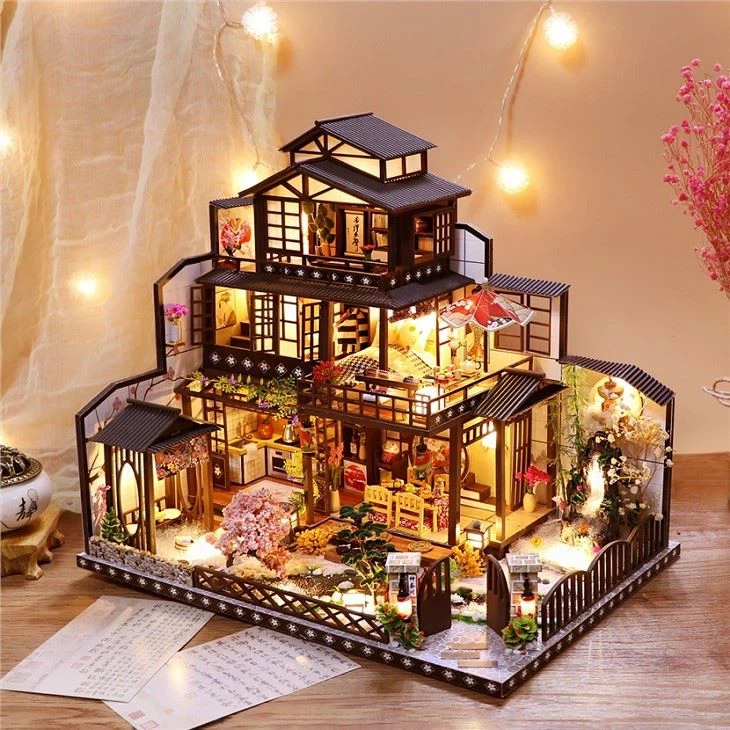
In the world of toy manufacturing, the medieval modern dollhouse has become a popular and sought-after design. Inspired by the architectural movement of the mid-20th century, this modern miniature home offers a unique blend of style and functionality that makes it stand out in the toy industry.
Design characteristics and manufacturing process
The mid-century modern dollhouse is characterized by its clean lines, geometric shapes, and use of natural materials. Its exterior often features bold colors and patterns, while the interior is designed with open floor plans and ample living space. From the selection of high-quality materials to precision processes, the manufacturing process involves meticulous attention to detail. Each dollhouse is carefully assembled to ensure durability and longevity.
The popularity of this design can be attributed to its authenticity and attention to detail. Collectors and enthusiasts appreciate the accuracy with which these dollhouses replicate actual mid-century modern architecture, making them more than just toys, but educational tools to introduce children to the history and aesthetics of the era.
Different from the traditional dollhouse
A mid-century modern dollhouse differs from a traditional dollhouse in several ways. Traditionally, dollhouses tend to have a more whimsical or fantastical design, often with cartoonish features. However, the Mid-century Modern dollhouse takes a more realistic approach, focusing on the architectural elements and aesthetics of Mid-century Modern design.
A significant advantage of this modern design is its adaptability. The open floor plan and modular design allow for endless customization options, allowing children to rearrange rooms, add furniture, and create their own unique living Spaces. This flexibility encourages creativity and imagination, making the doll house a vibrant and engaging toy.
Future trends and market demand
Looking ahead, mid-century modern dollhouses will continue to dominate the toy manufacturing industry. As consumer tastes and preferences change, there is a growing demand for toys that have both play and educational value. The Mid-century Modern dollhouse meets this need, providing children with hands-on experience in architecture and design while fostering creativity and imagination.
In addition, the trend towards sustainable and environmentally friendly products may affect the manufacturing of mid-century modern dollhouses. Manufacturers are increasingly focusing on using sustainable materials and environmentally friendly production methods to reduce their carbon footprint. This is not only in line with consumer preferences but also contributes to the overall sustainability of the toy industry.
