



Running a hobby, gift, or craft retail store but unsure which DIY miniature dollhouse kits to stock? Choosing the right kits can boost inventory turnover, attract repeat customers, and maximize profits. Conversely, the wrong choices can lead to high return rates, excess inventory, and customer complaints. Here is a practical guide for retail buyers to help you select high-profit miniature kits for your store.
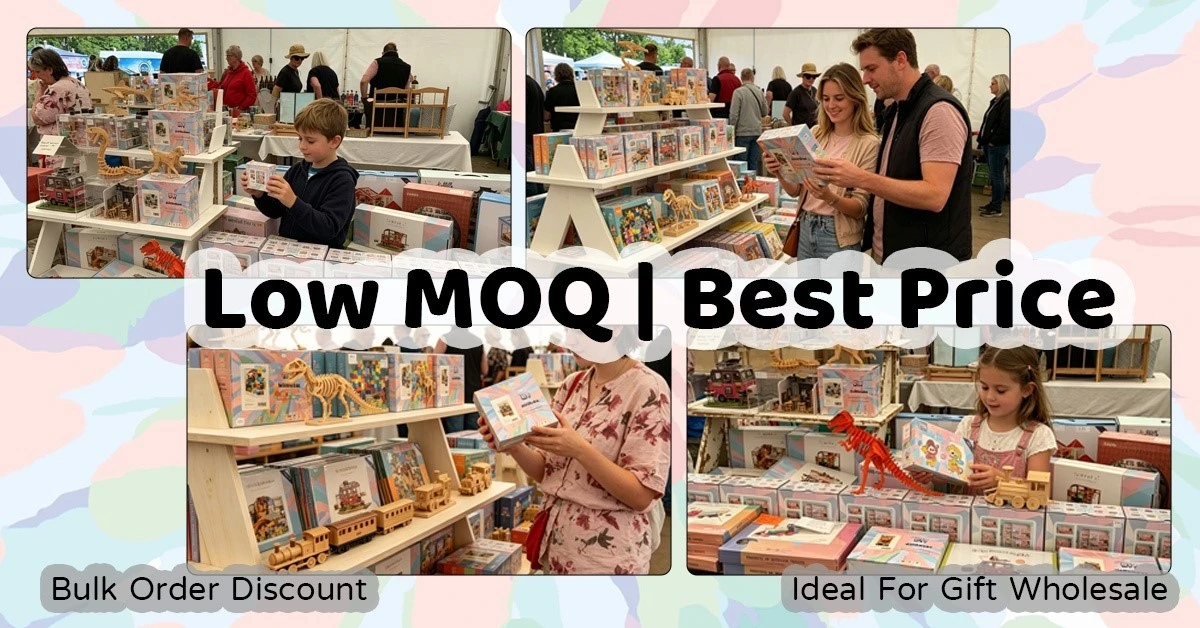
1. Know Your Target Customers
Before placing bulk orders, clearly identify your primary customer base. Different consumer groups have vastly different preferences regarding miniature kits.
- Adult Hobbyists and Collectors (Ages 14+): They seek highly detailed thematic kits-such as bookstores, vintage pubs, libraries, and magical cottages. They value exquisite craftsmanship, LED lighting, realistic decor, and display appeal. Complex assembly is acceptable-and often desired-by this group.
- Gift Buyers: Customers shopping for birthdays, Christmas, or holidays prioritize a beautiful finished look, attractive packaging, and a manageable level of assembly difficulty. They often prefer gift sets that include a dust cover.
- Teenage Beginners: Novice crafters need entry-level kits featuring clear instructions, fewer tiny parts, and straightforward assembly steps. These kits are ideal for driving impulse purchases.
Tailor your product mix to your store's positioning. Gift shops should stock more eye-catching thematic sets, while hobby specialty stores can offer high-end, intricate collector's series.
2. Evaluate Product Design and Thematic Differentiation
Thematic design is the primary selling point for miniature dollhouse kits. Standard dollhouses often struggle to stand out on crowded retail shelves.
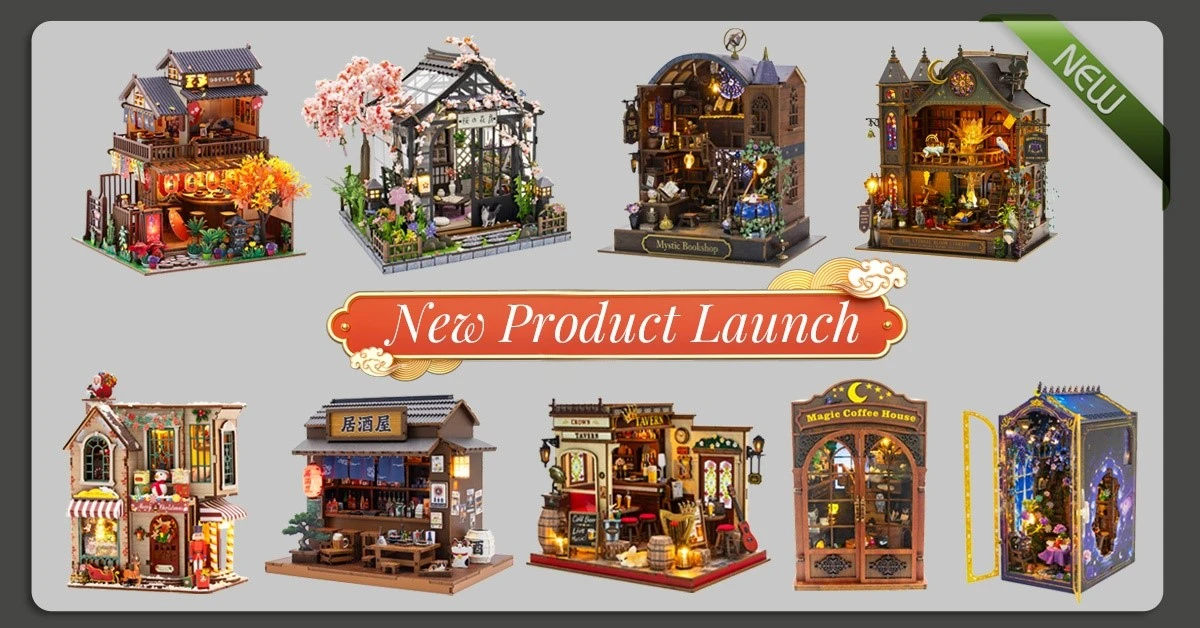
Look for unique and trending themes: vintage cafés, old bookstores, medieval taverns, library scenes, and seasonal holiday editions. Novel themes help you beat local competition and justify higher retail prices.
Also, check for the following design details:
- Built-in LED lights for a stunning display effect
- Included dust cover to protect the finished model from dust accumulation
- Complete set of accessories with no missing small parts
- Clear, printed assembly instructions with step-by-step illustrations
Avoid generic designs that are already widely sold by other retailers. Unique themes can generate organic word-of-mouth promotion for your store.
3. Check Material Quality and Safety Certifications
Quality directly impacts customer satisfaction and return rates. Reliable model kits typically utilize MDF wood, non-toxic paints, paper, and fabric. Inferior thin wood, fragile small parts, and pungent paints can lead to negative reviews and returns.
For cross-border retail, ensure your supplier provides valid certifications: ASTM F963 for the US market, and EN71 and CE certifications for the EU market. These safety documents are prerequisites for importation and sales. Check packaging for potential small-part choking hazards and ensure age-appropriateness labels are correct.

4. Assess assembly difficulty and packaging: Retailers need to strike a balance between enjoyment and frustration
- Entry-level kits: Simple structures and quick assembly times, suitable for casual buyers.
- Advanced kits: Highly detailed and time-consuming to build, aimed at serious hobbyists.
Offer kits across various difficulty levels. If every kit is extremely difficult, many casual buyers may give up on assembly and request a refund.
Packaging is crucial for retail:
- Sturdy, colorful gift boxes suitable for shelf display.
- Shock-resistant internal packaging to minimize breakage during shipping.
- Stackable cartons to save warehouse space.
- Clear product renderings printed on the outer box, allowing customers to see the finished result without opening the package.

5. Calculate Wholesale Prices, MOQs, and Profit Margins
Don't focus solely on the unit price. Calculate the total landed cost, including shipping, tariffs, and the cost of replacing defective items.
Key questions to ask the manufacturer:
- What is the Minimum Order Quantity (MOQ)? Do you support mixed-SKU trial orders?
- Tiered pricing for large-volume orders
- Lead times for mass production and restocking
- Defect rate policies and after-sales support (for damaged parts)
For new retail inventory, it is advisable to start with small trial orders featuring a variety of styles to test market response before committing to large stock levels. Flexible MOQs allow you to test popular themes without taking on excessive financial risk.
6. Verify Supplier Production Capacity and Customization Options
Partner with specialized manufacturers rather than middlemen to ensure a stable supply. Reliable factories maintain consistent batch quality and steady lead times, while also supporting the introduction of new seasonal designs.
Many retailers also require private-label services, such as custom packaging, store branding, bespoke colors, or accessory modifications. If you plan to build your own brand, confirm that your supplier offers OEM and ODM services for miniature model kits.

Conclusion
High-quality miniature dollhouse kits should combine appealing themes, solid build quality, a reasonable level of assembly difficulty, and competitive profit margins. Successful retail stores typically maintain a balanced product mix: best-selling entry-level kits for everyday sales alongside high-end, exquisite collector's sets for the premium market.
