



In the ever-changing toy retail market, DIY dollhouses have evolved from a niche craft item into a mainstream hot product, beloved by children, teenagers, and adults. Driven by shifting consumer preferences, technological advancements, and market demand, DIY dollhouses have become a high-growth segment, offering retailers unique interactive and profitable opportunities.


Here are the key factors driving this growth:
1. Expanding Consumer Base: From Children to Adults
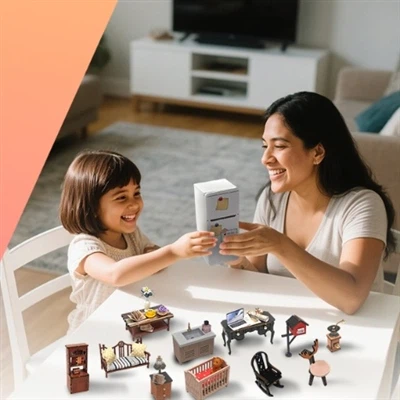
DIY dollhouses today primarily target three groups: children seeking hands-on experience, teenagers eager for creative expression, and adults seeking stress relief. For children, DIY dollhouses enhance fine motor skills and imagination. Teenagers use DIY dollhouses to express their personal style, while adults find therapeutic benefits, making DIY dollhouses a cross-generational product and driving year-round sales.
2. Strong Data and Trends Support Market Growth
Industry data confirms the strong growth momentum of this category: the global dollhouse market size was $1.8 billion in 2024 and is projected to reach $2.7 billion by 2030 (CAGR of 6.1%). DIY kits dominate this segment, with North America leading demand, while the Asia-Pacific region is the fastest growing, driven by income growth and increased interest in DIY.
3. Customization and Personalization: Meeting Modern Consumer Needs
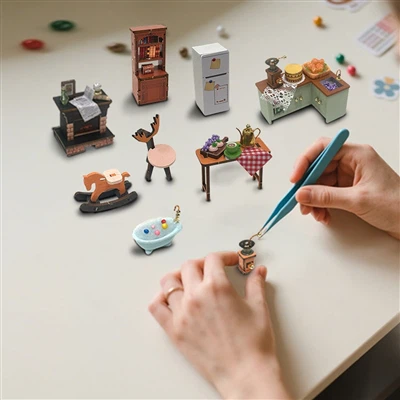
Unlike mass-produced toys, DIY dollhouses offer a high degree of customization-users can personalize every detail, from wallpaper to accessories. Manufacturers' modular designs enhance the user experience and promote repeat purchases, as consumers buy additional accessories to update their creations.


4. Social Media and E-commerce: Enhancing Exposure and Accessibility
The spread and sharing by enthusiasts on social media platforms such as TikTok and Instagram have made DIY dollhouses widely popular, driving market demand. E-commerce platforms (Amazon, Etsy) make DIY dollhouse sets easily accessible to consumers worldwide, while DTC brands and manufacturer direct-to-consumer (DTC) stores enhance personalized interaction and sales.
5. Educational and Healing Benefits: Value Beyond Play
DIY dollhouses integrate play, education, and well-being. For children, they can develop motor skills and logical thinking; for teenagers and adults, they can relieve stress and help people "get away from electronic devices." This dual value makes them desirable "healing" products.
6. Sustainability and Quality: Aligning with Consumer Values
Manufacturers use sustainable materials to meet environmental awareness needs. High-precision components and compliance with international safety standards also set them apart, giving parents greater peace of mind.


7. Profitability and Retailer Benefits
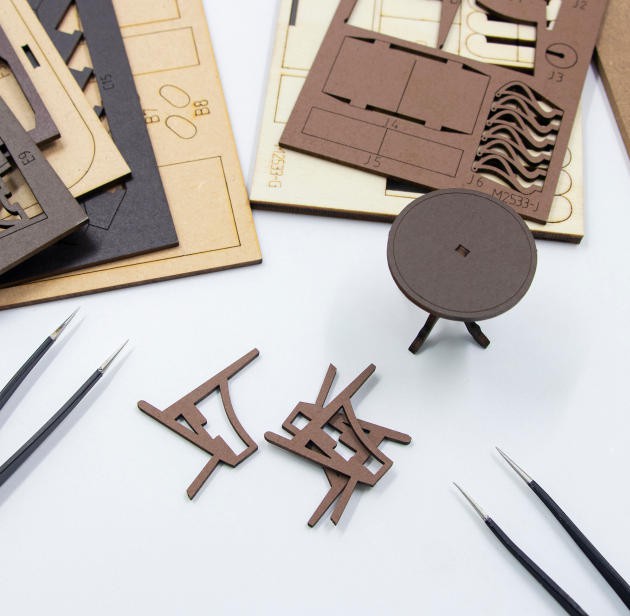
DIY dollhouses have higher profit margins than mass-produced toys because consumer self-assembly reduces manufacturing costs. They promote repeat purchases through accessories and enhance in-store and online interaction, thereby increasing customer loyalty and conversion rates.
