



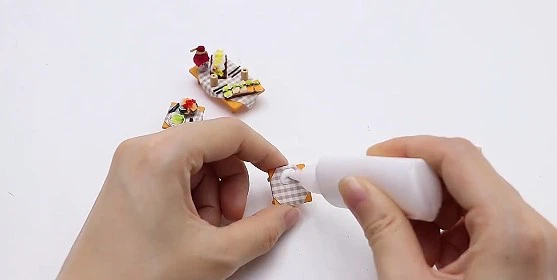
When assembling a log house or wooden book corner, as well as other DIY crafts, an essential step is to use glue to glue materials such as wood boards, paper cutouts or fabrics together. There are various types of adhesives on the market, each with its own unique features. Hongda has selected two types of glue for DIY products, namely white latex glue and alcohol glue. This article will introduce the advantages and disadvantages of these two types of glue.
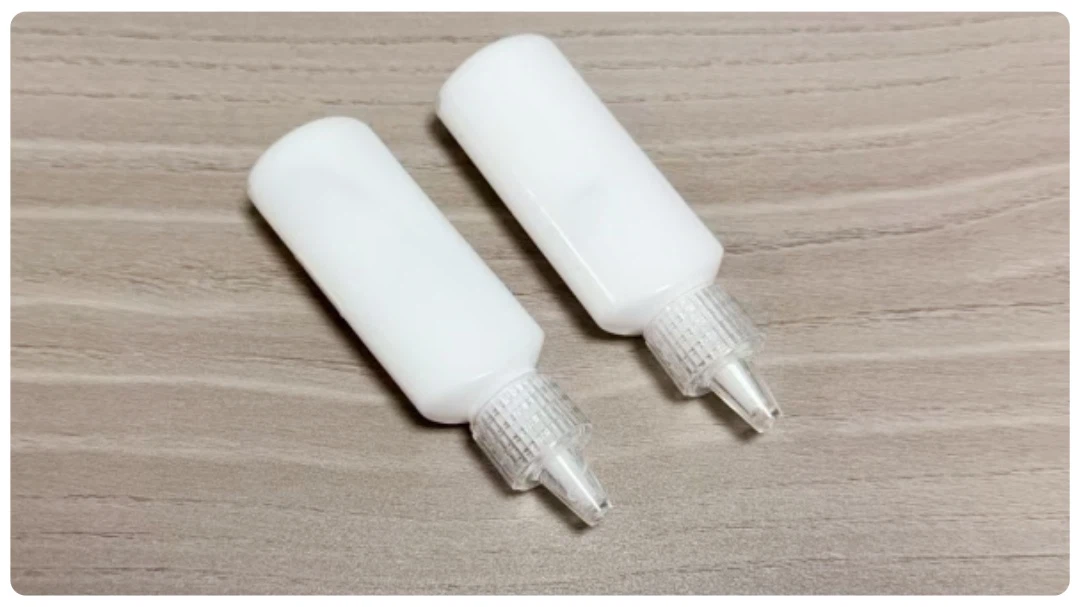
Advantages and disadvantages of white latex glue
White latex Glue, also known as white glue or school glue, is a widely used adhesive due to its many advantages. Let's take a closer look at its benefits and drawbacks.
Advantages:
1. Easy to use - White latex is easy to apply, dries clear, and can be cleaned up with water.
2. Versatile - It can be used on a variety of surfaces, including paper, cardboard, wood, and fabric.
3. Non-toxic - This type of glue is safe for children and adults alike, as it is made from non-toxic materials.
Disadvantages:
- 1. Longer drying time - Unlike some other types of glue, white latex can take a little while to dry completely. It's important to be patient and not try to touch or move your project too soon.
- Poor creep resistance (Heating may affect its performance.)
- Not easy to be kept in a low temperature environment.

Advantages and disadvantages of Alcohol glue
Alcohol glue is a type of adhesive that is made by dissolving polymers or resins in alcohol. It is commonly used in various industries, including printing, packaging, and woodworking, due to its strong bonding properties.
Advantages:
- Transparent and colorless
- Leave no visible marks after drying
- Strong bonding abilities
- Easy to use and apply.
- Non-toxic and eco-friendly choice
Disadvantages:
- Have a strong smell
- Not easy to dry
- Flammable-it can be potentially dangerous if used improperly or in volatile environments.
- Less effective in high humidity conditions
